




Rope displacement sensors have extensive applications in civil engineering fields such as Bridges, slopes, tunnels, and foundation pits. Their features of high precision, long-distance transmission, and strong anti-interference ability make displacement and position monitoring in these fields more accurate and reliable. The following is a detailed introduction to these applications:
I. Applications in Bridges
Rope displacement sensors play a significant role in bridge monitoring. By fixing one end of the tension rope and connecting the other end to the key part of the bridge, the sensor can monitor the displacement changes of the bridge in real time during the force application process. These data are crucial for assessing the stability and safety of bridge structures. Engineers can promptly identify and handle potential displacement issues based on monitoring data, thereby preventing the occurrence of safety accidents. In addition, the rope displacement sensor can also be used to measure the lifting and lowering changes during the bridge construction process, ensuring the construction quality and progress.
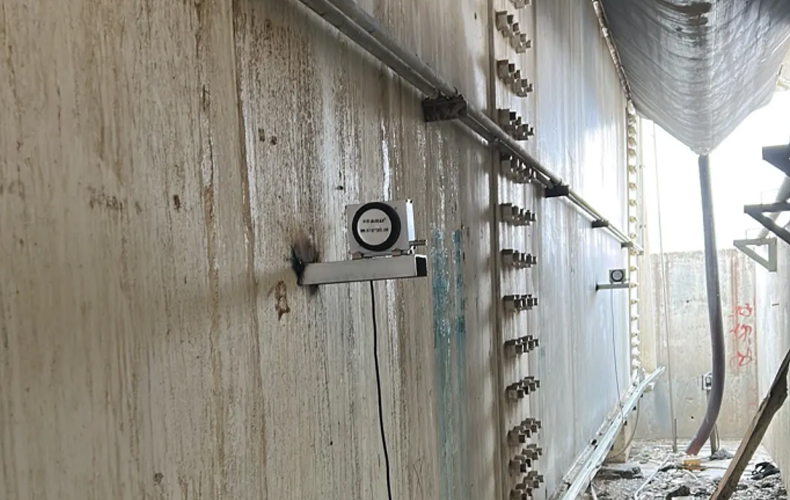
II. Applications in Slopes
In slope monitoring, rope displacement sensors are used to measure the displacement changes of slope cracks. By monitoring the distance changes between the two fixed points between the cracks, the deformation of the slope can be understood. This monitoring method is of great significance for preventing natural disasters such as slope landslides. Traditional slope monitoring methods often have problems such as low accuracy and high risk, while the rope displacement sensor provides a high-precision and low-cost monitoring solution.
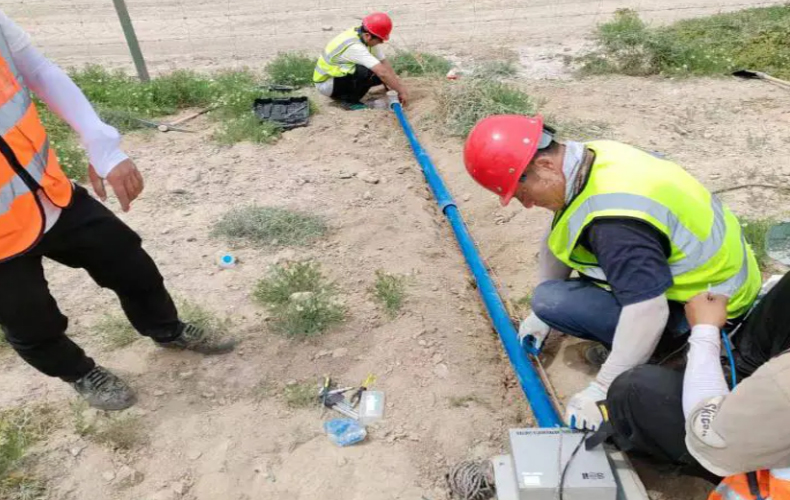
III. Applications in Tunnels
In tunnel engineering, rope displacement sensors are widely used for real-time monitoring of structural deformation in tunnels. By installing displacement sensors at the key load-bearing parts of the tunnel, the settlement, cracking and other conditions of the tunnel can be monitored in real time. These data are crucial for assessing the stability and safety of the tunnel. Once the monitoring data exceeds the set range, the system can automatically sound an alarm to remind the engineer to take timely measures for handling. In addition, the pull rope displacement sensor can also be used for position detection and size control during the tunnel construction process, ensuring the construction quality and progress.
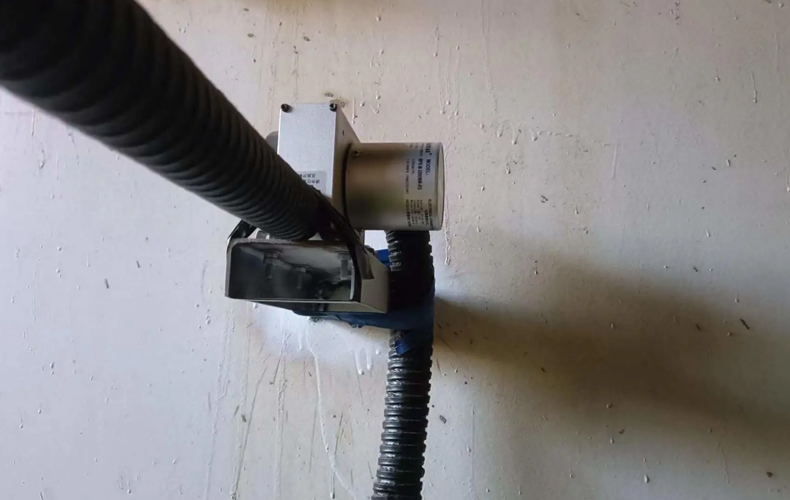
IV. Applications in Foundation Pits
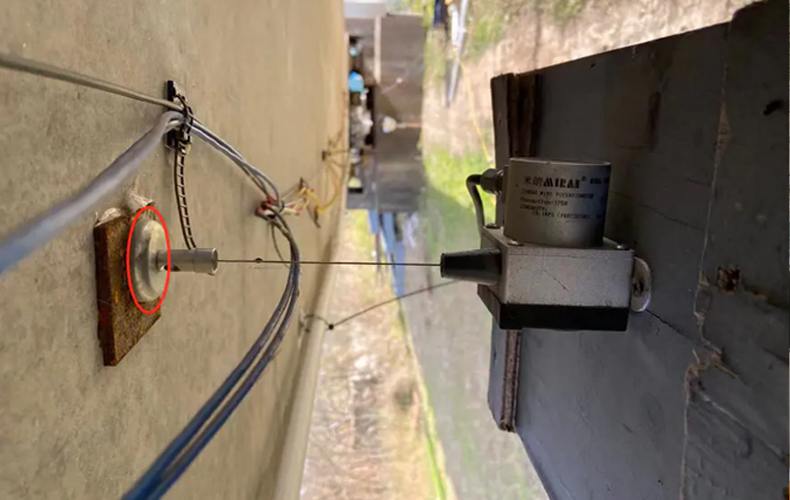
In foundation pit engineering, rope displacement sensors also play a significant role. During the excavation of the foundation pit, due to the effect of earth pressure, the foundation pit retaining structure may deform. By installing pull rope displacement sensors, the displacement changes of the foundation pit retaining structure can be monitored in real time, thereby evaluating the stability of the foundation pit. These data are of great significance for guiding the excavation and support construction of foundation pits. In addition, the rope displacement sensor can also be used for position detection and size control during the foundation pit construction process to ensure construction quality and safety.
In conclusion, rope displacement sensors have broad application prospects in civil engineering fields such as Bridges, slopes, tunnels, and foundation pits. Its features such as high precision, long-distance transmission and strong anti-interference ability make displacement and position monitoring in these fields more accurate and reliable. With the continuous development of technology, rope displacement sensors will play an important role in more fields and provide strong support for safety monitoring in the field of civil engineering.